| Would You Eat a Cookie Made From Plastic? Scientists Are Working on It |
|
August 25, 2026
Would You Eat a Cookie Made From Plastic? Scientists Are Working on It
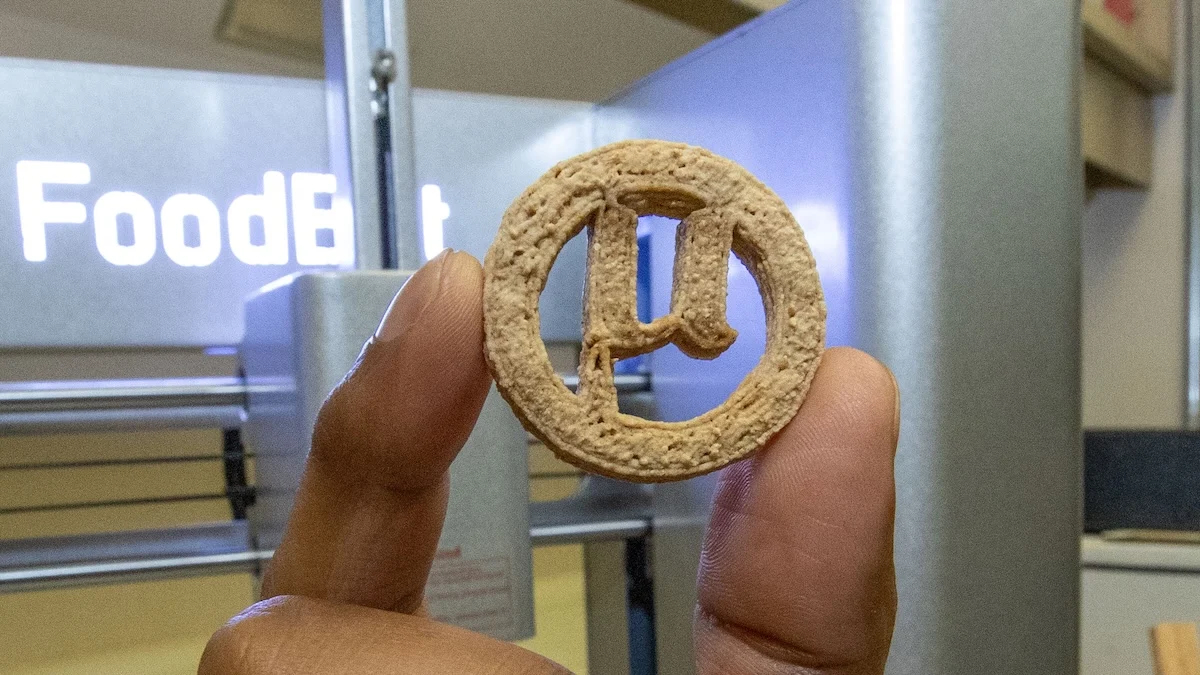
Would You Eat a Cookie Made From Plastic? Scientists Are Working on It Would you eat a cookie made from plastic? It sounds like something out of a science-fiction movie, but researchers at Southern Illinois University Carbondale are working on a technology that could eventually turn certain plastic waste into food. The cookies are called µBites, pronounced “microbites,” and they were developed as part of NASA’s Deep Space Food Challenge. The idea isn’t to take a plastic bottle, throw it in a blender and bake it into a cookie. Instead, researchers use a complicated process to break down plastic into its basic carbon components, which can then be transformed into food ingredients. And the potential applications go far beyond the snack aisle. From Plastic Waste to Food The researchers start with PET plastic, the material commonly used in bottles and food packaging, along with agricultural waste such as corn stalks and leaves. A process called oxidative hydrothermal dissolution uses water, oxygen, high temperatures and pressure to break those materials down into their basic building blocks. That resulting material is then fed to specially cultured yeast. The yeast converts the carbon-rich material into what researchers describe as nutritious food slurries. But there was still one major problem: Nobody wants to eat something that tastes like recycled plastic. So the team engineered different strains of yeast to produce useful food components, including proteins, fats, vitamins, aromas, colors and flavorings. One yeast strain can produce vanillin, which gives food a vanilla aroma and flavor. Another produces beta-carotene, the pigment responsible for the orange color in carrots that the human body can also convert into vitamin A. The ingredients are then combined into dough, which is placed into a 3D food printer. The printer creates the cookies layer by layer before they are cooked in a microwave. Yes, the future of food apparently includes 3D-printed plastic cookies. So... What Do They Taste Like? Here's the surprising part: Nobody knows yet. The researchers haven't allowed anyone to eat the cookies while safety testing is still underway. According to the team, testing indicates the cookies have a pleasant smell and texture. The researchers have also analyzed the products in their own laboratory and through outside laboratories for potentially dangerous substances, heavy metals, allergens and foodborne pathogens. They're also conducting simulated digestion studies before moving toward human testing. So for now, the µBites remain firmly in the “looks edible” category. Could We Actually Eat Them in Space? That's one of the biggest reasons the technology was developed. The researchers envision portable µBites systems that could potentially produce food in places where traditional food supplies are difficult to maintain. That could include submarines, disaster-relief vehicles, remote areas, deserts and polar regions. And eventually, the technology could potentially be adapted for use on the Moon or Mars. The current system takes roughly a day or two to process the waste and can convert more than half of the carbon from the starting materials into food products. The researchers hope future versions can recycle much more of the unused material and move closer to a zero-waste system. There is still a major challenge, though: getting the technology to work effectively in microgravity. It Doesn't Have to Be a Cookie The researchers say cookies were essentially a proof of concept. The food ingredients produced through the process could potentially be used to make other products that require protein, flavor and vitamins, including milk alternatives and meat alternatives. The team is also exploring whether the technology could eventually be used to produce animal feed. And that's where this strange experiment starts to make a little more sense. Instead of thinking of µBites as “cookies made from plastic,” researchers are looking at plastic and other waste as a potential source of carbon for producing useful food ingredients. The technology is still experimental, and plenty of testing needs to happen before anyone should expect to find plastic cookies on grocery store shelves. But if scientists can make the process safe, efficient and scalable, the idea of turning waste into food could someday become a lot less bizarre. Just don't expect to see a “Now With 100% Recycled Plastic!” label on your next package of cookies anytime soon. Posted by Johnny Ice at 11:42 AM |