| World's Oldest Lab-Grown Human Brain Organoids Survive for Seven Years |
|
August 31, 2026
World's Oldest Lab-Grown Human Brain Organoids Survive for Seven Years
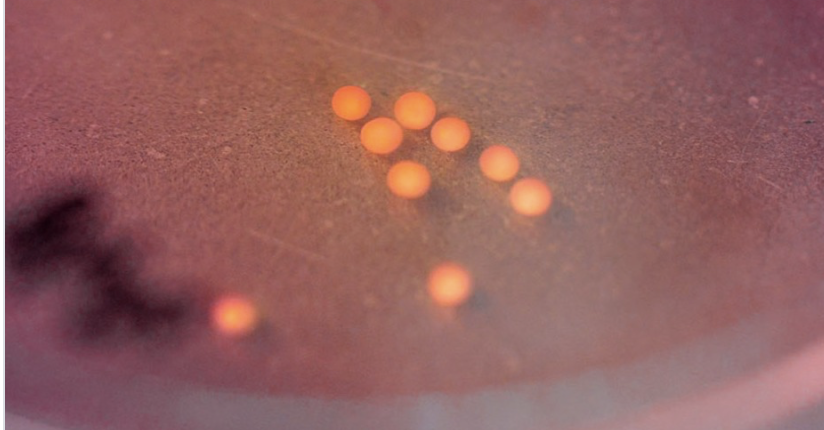
Scientists have created what may be the world’s oldest lab-grown human brain organoids, with some cells surviving and developing for as long as seven years. Researchers at Harvard developed the tiny, peppercorn-sized clusters of human brain cells and kept them alive for more than five years, shattering the previous longevity record of 694 days. According to the study’s lead author, Paola Arlotta, some of the cells continued growing for approximately seven years. The findings, published in Nature, could offer scientists an unprecedented look at how the human brain develops and ages over time. Tiny Brains That Keep Track of Time Brain organoids are three-dimensional clusters of cells designed to mimic certain structures and functions of human organs. Scientists use them to study development, test potential drugs and model diseases. One of the biggest challenges has been keeping them alive for long periods. Because organoids are grown outside the body and don't have a natural blood vessel system, they can struggle to get enough oxygen and nutrients. Many typically die within two years. That makes the Harvard team's achievement especially significant. Researchers monitored 34 organoids at different stages, ranging from six months to more than five years. They found striking similarities between how the lab-grown cells matured and how cells develop in the human brain. The researchers also discovered evidence that the organoids appeared to keep track of their own developmental age. Using a process called DNA methylation profiling, scientists were able to examine chemical markers attached to DNA that can help estimate the age and developmental stage of cells. Arlotta described the process as a reliable kind of biological “age clock.” “The methylation clock told us that these organoids were basically doing things that the endogenous brain would do,” she said. Mixing Young and Old Cells Produced a Surprising Result In another experiment, researchers combined cells from a one-year-old brain organoid with cells that were just two weeks old. The younger cells continued developing normally. However, the older cells appeared to skip ahead through a significant portion of development. Researchers said the process effectively seemed to “warp time” for brain development. The cells were also able to produce neurons, which normally take about four months to develop. What Could This Mean for Brain Research? The organoids used in the experiment have since been destroyed, but researchers believe future organoids could potentially survive even longer. Exactly how long remains unknown. “Nobody really knows,” Arlotta said when discussing their possible lifespan. Other scientists have praised the accomplishment as a major technological breakthrough. Long-lasting brain organoids could give researchers more time to study neurological and psychiatric conditions that develop over many years. Scientists already use organoids to study diseases such as Alzheimer’s, allowing them to observe processes including the buildup of amyloid-beta and tau proteins that are associated with damage to brain cells. Arlotta hopes the new research could eventually provide additional insight into complex conditions such as schizophrenia and other disorders involving the human brain. While these tiny lab-grown clusters are far from being fully developed human brains, their ability to survive and mature for years could open an entirely new window into one of science's biggest mysteries: how the human brain changes over time. Posted by Johnny Ice at 11:35 AM |