What if you could smell a memory?
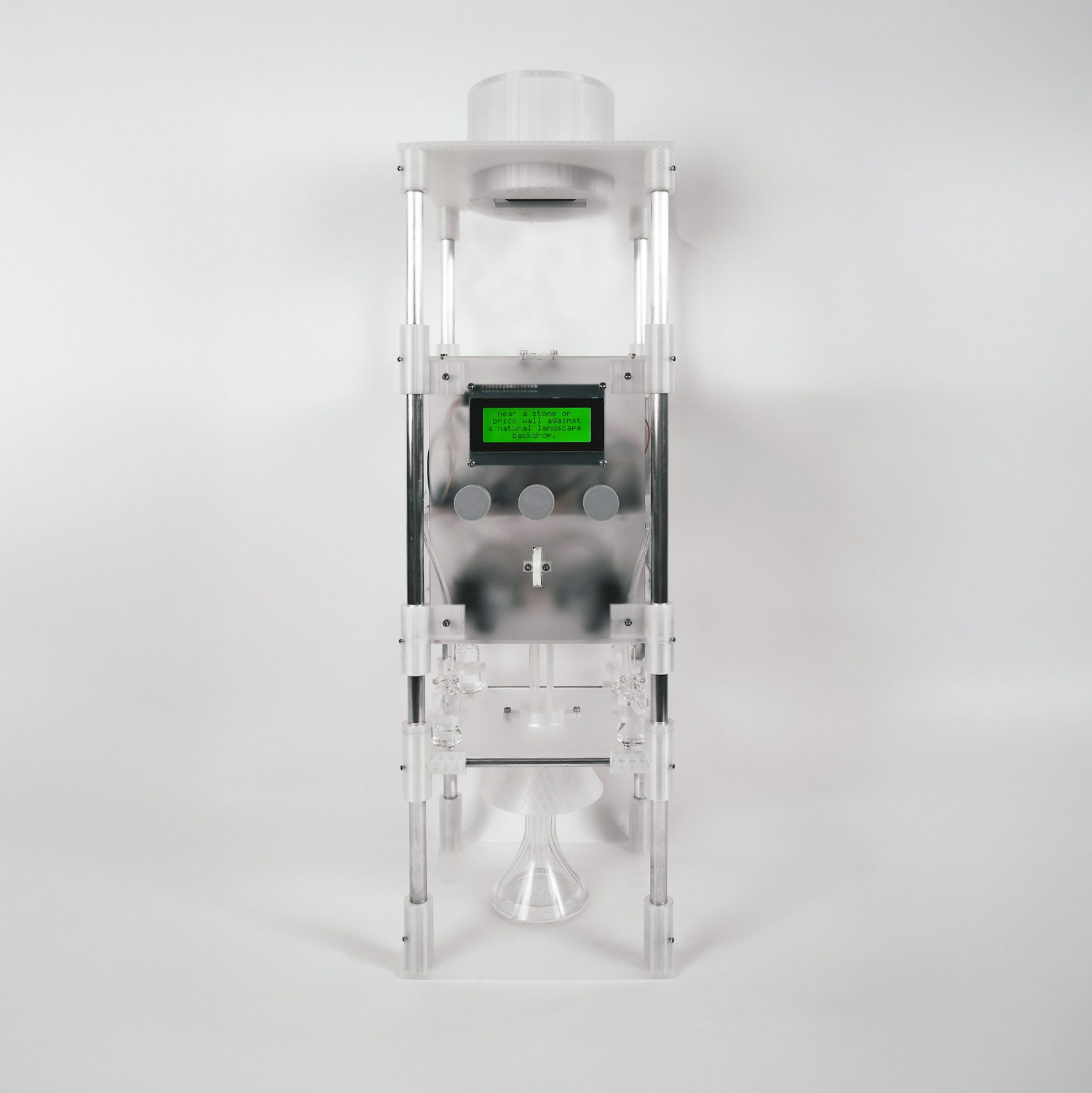
Researchers at MIT’s Media Lab have developed a prototype that uses generative AI to transform a photograph into a custom-made fragrance. The device, called the Anemoia Device, is being described as a “scent-memory machine” — and it may change the way we experience nostalgia forever.
The images are courtesy of MIT.
How the Anemoia Device Works
The machine is built in three vertical sections:
-
Top: Users insert a physical, analog photograph.
-
Middle: An AI-powered computer analyzes the image and lets users fine-tune the interpretation using three physical dials.
-
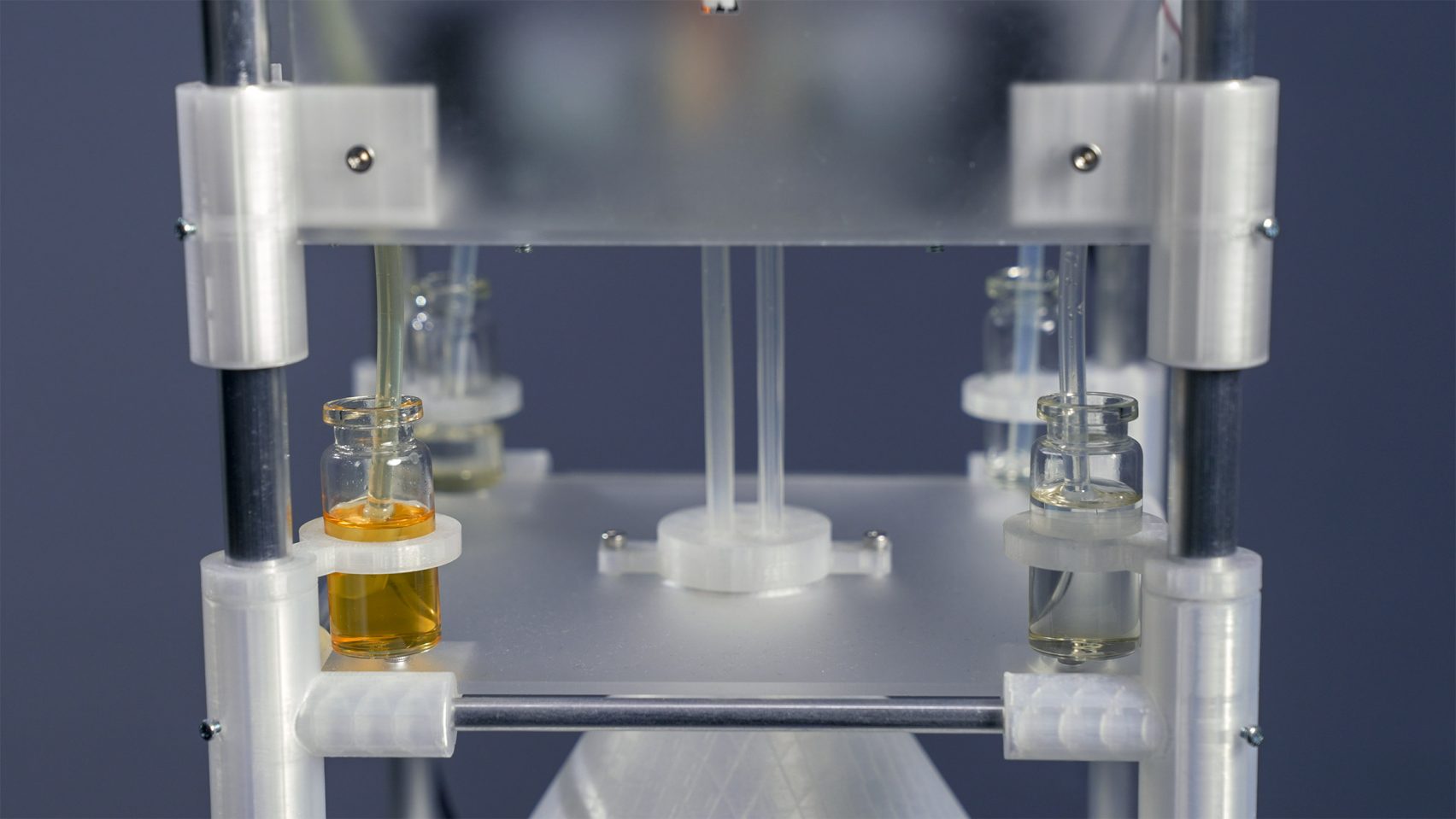
Bottom: A system of pumps blends fragrances from multiple scent reservoirs to create a unique aroma.
MIT researcher Cyrus Clarke, who created the device, says the whole process is inspired by distillation.
“You take a dense, layered memory artifact and transform it and compress it into something,” Clarke explained.
Inspired by “Anemoia”
The device is named after anemoia — a type of nostalgia for a time you’ve never personally experienced. While the machine can work with any photograph, Clarke is especially interested in “unlived memories,” such as family archives, childhood photos, or heirloom recipes.
He says this framework allows the system to start in a broad, universal space before moving into more personal emotional territory.
Turning an Image Into a Smell
The images are courtesy of MIT.
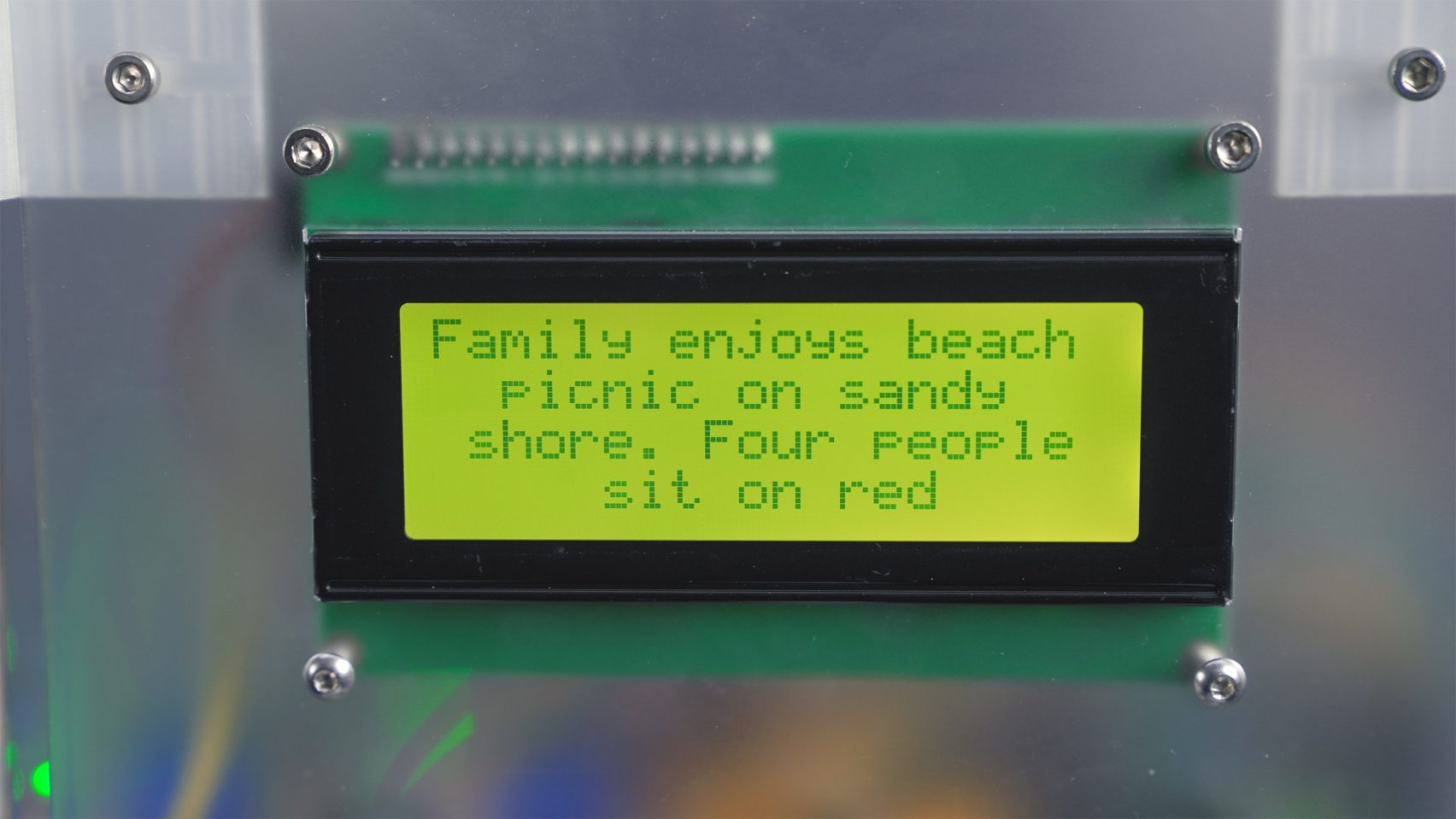
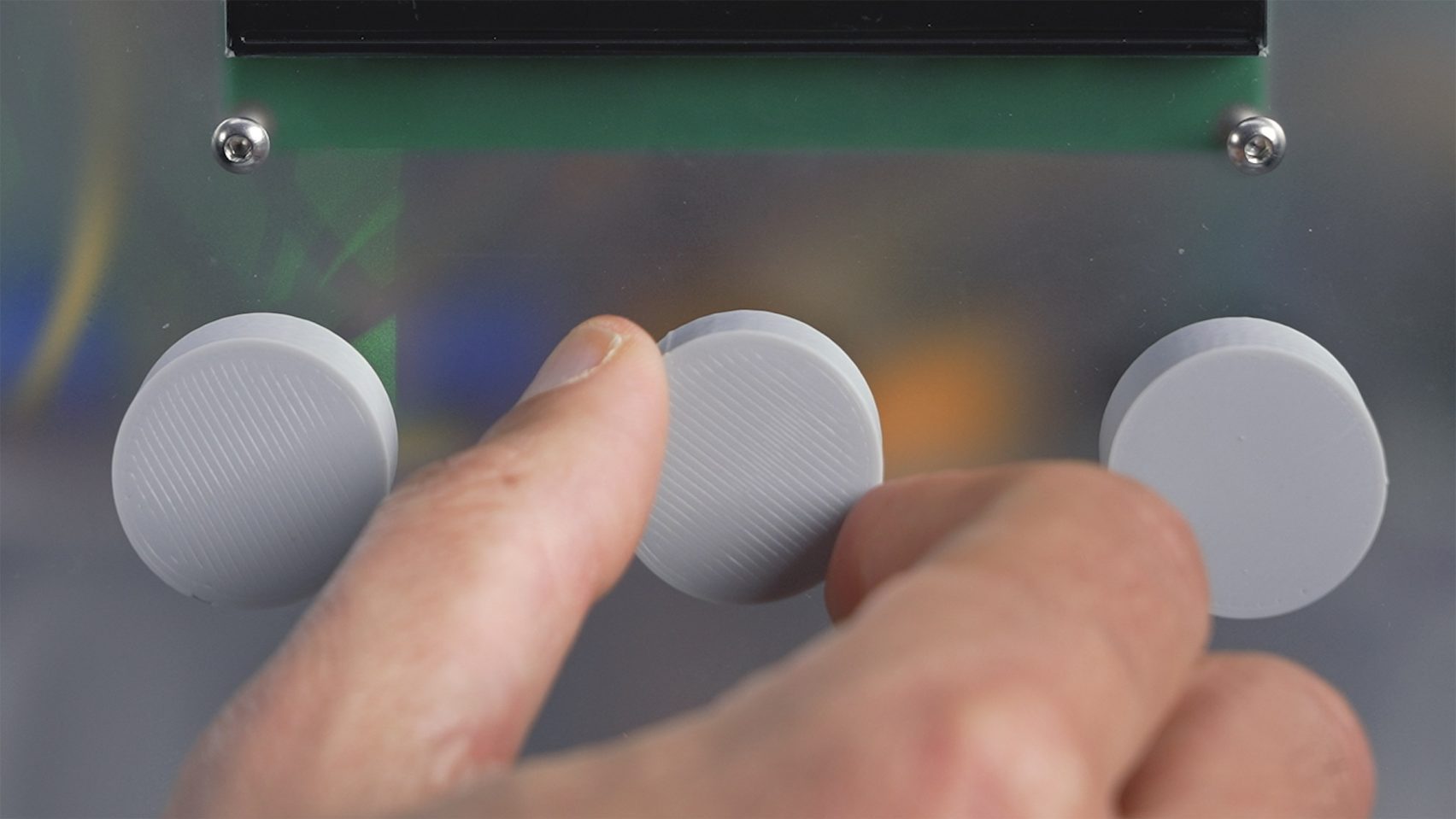
The Anemoia Device uses a vision-language model to interpret the contents of a photo, but users help guide the final result using three dials:
-
Point of View – Choose a subject in the photo, such as a person, tree, or object.
-
Lifecycle Stage – If it’s a person, select child or elderly. If it’s an object, choose from stages like “raw,” “in use,” or “decay.”
-
Emotional Tone – Pick a mood, such as calm, joyful, or melancholic.
These selections shape how the AI interprets the image and which scent notes are blended.
The images are courtesy of MIT.
A Real Example
In one test, a participant uploaded an archival photo of a couple eating fruit on stone steps in a garden. The user chose the fruit as the subject, set its stage as “in use,” and selected “calm” as the mood.
The device produced a fragrance with notes of spiced apple, pear, and earthy musk.
“The user said it transported them to autumn,” Clarke recalled — a reaction that aligned with the scent’s seasonal tones.
More Than Just Clichés
Clarke acknowledges that certain associations — like apples and autumn — are common. But he says this “shared vocabulary” helps the system find a starting point before becoming more nuanced.
The prototype includes a library of 50 base scents, including sandalwood, pine forest, old books, leather, and sand. Each scent is released in one-second bursts, allowing for thousands of possible combinations.
Two people, Clarke says, can turn the same beach photo into completely different atmospheres depending on their choices.
The images are courtesy of MIT.
Making Memories Tangible
Clarke has long explored ways to make memories physical. Before MIT, he founded a project called Grow Your Own Cloud, which investigated storing memories inside plant DNA.
He believes modern memories live too much in the digital world:
“They’re accessible, but they’re not truly with us, and I want to change that.”
What’s Next?
Clarke envisions two future versions of the Anemoia Device:
Despite the irony of using advanced technology to reconnect people with their senses, Clarke embraces the contradiction.
“I don’t think everything has to be an attention-stealing machine,” he said. “We should create technology that makes you pause, breathe, and notice the world again.”


 Frank
Frank